
Electromagnetic absorbers are materials designed to absorb electromagnetic waves and are commonly used to prevent electromagnetic interference (EMI) or to suppress electromagnetic reflection.
Here, we introduce case studies of electromagnetic absorber implementation in specialized fields, as well as other applications.
An electromagnetic absorber is a material designed to reduce reflected electromagnetic waves by converting part of that energy into heat or by dissipating it within the material structure. Unlike simple shielding, which mainly blocks electromagnetic energy, absorbers are used to create a controlled environment where unwanted reflections and scattered waves are minimized.
Electromagnetic absorbers are widely used in applications where accurate measurement and stable electromagnetic performance are essential. Common use cases include anechoic chambers, antenna measurement environments, radar evaluation, wireless communication development, and aerospace testing, where suppressing reflected signals helps improve the reliability of results.
The required absorber performance varies depending on the frequency band, test conditions, and installation environment. In advanced development fields such as millimeter-wave, sub-terahertz, and radar-related evaluation, selecting the right absorber is important for maintaining measurement accuracy and reducing the impact of unwanted reflections.
Electromagnetic absorbers are available in several types depending on the target frequency range and application. Common examples include foam absorbers for high-frequency testing environments, ferrite-based absorbers for lower-frequency applications, and hybrid absorbers that combine multiple material properties to support broader performance requirements.
When selecting an absorber, one of the most important factors is the frequency range that needs to be covered. Some absorbers are designed for broadband performance, while others are optimized for specific bands used in radar, wireless communication, or antenna testing. The required reflectivity level and the size of the installation area also affect which material structure is most suitable.
Other practical selection factors include absorber thickness, weight, flame-retardant properties, heat resistance, and whether the absorber will be used in indoor or outdoor environments. For example, in applications that require frequent layout changes or temporary installation, lightweight materials and portable structures can be especially valuable for building a more flexible setup.
One of the most important ways to evaluate an absorber is by its reflectivity, which indicates how effectively it suppresses reflected electromagnetic waves. Lower reflectivity generally means better absorption performance, helping create a cleaner electromagnetic environment for testing, development, and performance verification in high-frequency applications.
Absorber performance is also closely related to the target frequency band. As frequencies become higher, especially in millimeter-wave and sub-terahertz applications, even small reflections can affect measurement results. For this reason, it is important to consider not only nominal absorber specifications but also the actual measurement conditions, including angle of incidence, surrounding structures, and the required level of signal stability.
In addition to material performance, the testing environment itself plays a major role in absorber selection. Factors such as installation space, chamber layout, and the intended evaluation method can influence which absorber delivers the most reliable results. Choosing an absorber based on both performance metrics and real-world operating conditions helps build a more accurate and repeatable electromagnetic measurement environment.
In 6G development, high-performance electromagnetic absorbers compatible with the terahertz band are required.
Key applications include millimeter-wave and sub-terahertz band antenna measurement, OTA testing, and automotive radar evaluation.
They suppress reflection and noise to realize high-precision measurement.
Furthermore, structures that are lightweight and portable allow for easy reconfiguration of experimental environments, while materials compliant with environmental and flame-retardant standards contribute to building safe and flexible 6G verification environments.
Learn more about the use of
electromagnetic absorbers
in 6G development environments
In aircraft development, high-performance electromagnetic absorbers are utilized for evaluating the electromagnetic characteristics of airframes and improving stealth performance.
In test anechoic chambers and actual airframe evaluation environments, they suppress radar reflection and unwanted scattered waves to acquire accurate measurement data.
Lightweight and highly heat-resistant materials allow for stable absorption performance in high-frequency bands while minimizing the load on the airframe structure.
In radar development, electromagnetic absorbers are indispensable for sensitivity evaluation of transmission/reception systems and target simulation tests.
By suppressing unwanted reflections and realizing a clean measurement environment, they enable high-precision performance verification in millimeter-wave and terahertz bands.
Also, since they can adapt to diverse indoor and outdoor test environments, they contribute to improving the detection accuracy and reliability of radar systems.
Advertiser Disclosure:
We receive compensation from some of the companies listed below.This compensation may affect which companies are included and the order in which they appear.
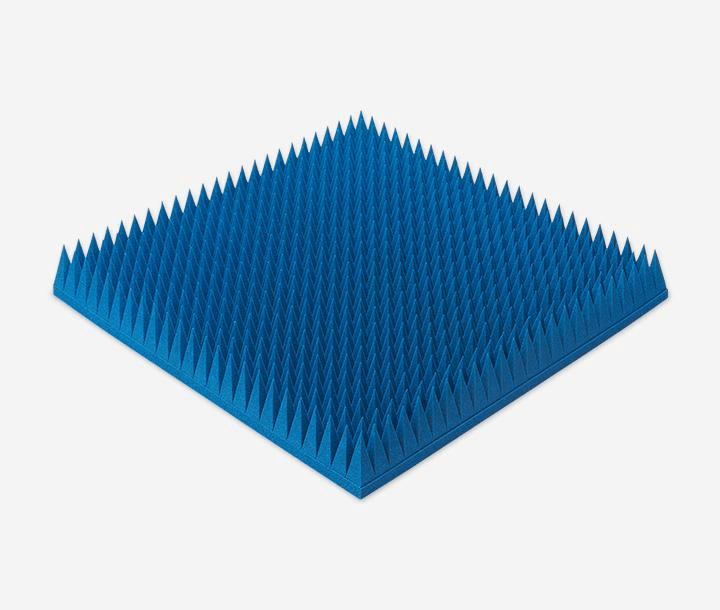
| Frequency Range |
|---|
| 3GHz-320GHz |
| Material |
| Urethane Foam |
| Key Features |
| Up to 50 dB of absorption |
At just 550g per panel—approximately half the weight of competing products (*1)—this polyurethane foam absorber covers a wide frequency range from 3 to 320 GHz.
Delivers 50 dB absorption, outperforming conventional heavy ferrites.
Velcro-backed for rapid mounting, ideal for temporary setups and cost-effective maintenance.
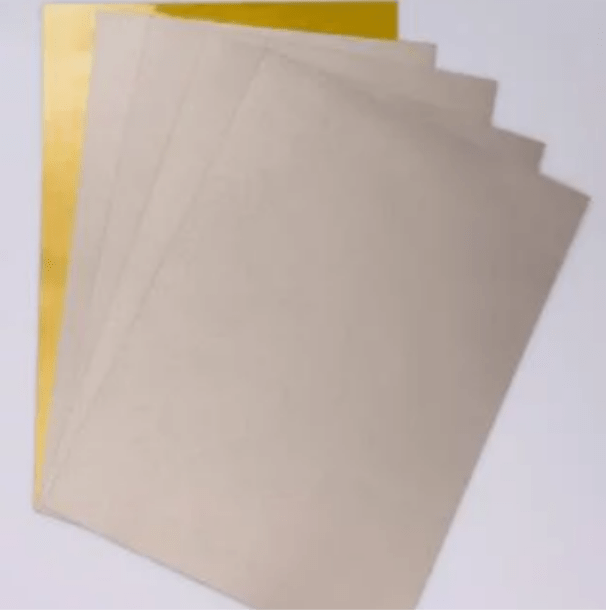
| Frequency Range |
|---|
| 20MHz-3GHz |
| Material |
| Elastomer |
| Key Features |
| Permeability (at 1 MHz): 150 |
Heat-resistant elastomer: Designed for direct SMT processing and high-temperature durability.
Ultra-thin (from 0.1 mm) for high-density integration with robust EMI suppression.
It significantly reduces assembly workload and enables EMI countermeasures without altering the existing manufacturing process.
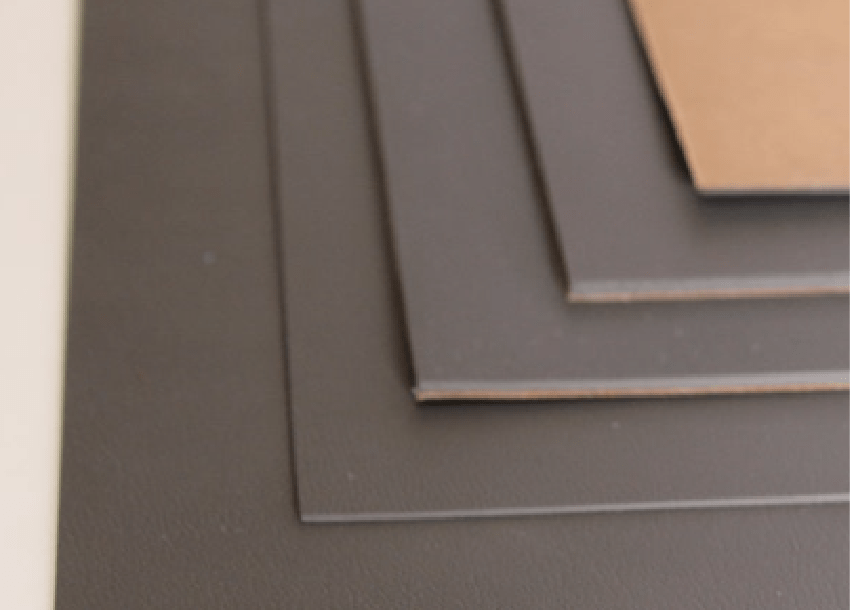
| Frequency Range |
|---|
| 1-35 GHz |
| Material |
| Elastomer |
| Key Features |
| Reflection Performance: –20 dB |
Frequency-tuned for specific radar absorption, offering superior stealth performance over standard RF sheets (*2).
Millimeter-thin design delivers –20 dB reflection, ensuring high absorption while preserving aerodynamic integrity.
Excellent conformance to complex geometries with thermal stability from –60°C to 150°C—ideal for aerospace platforms.