
TDK RF Solutions provides microwave absorbers made of polyurethane foam and ferrite, delivering wideband absorption performance in a compact, lightweight design. The following sections introduce their product key features, specifications, suitable applications, and the company’s support services.
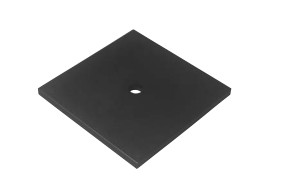
These high-performance microwave absorbers are made of sintered ferrite and exhibit high absorption characteristics over a wide bandwidth Their design leverages magnetic resonance loss to achieve high reflection attenuation even with a thin profile. The absorbers possess high heat resistance and weatherability, making them suitable for long-term use. They are primarily suitable for absorption applications in the low to medium frequency range, such as EMC anechoic chambers.
Reference: TDK RF Solutions Official Website(https://www.tdkrfsolutions.tdk.com/products/absorbers/ib-absorber-series)
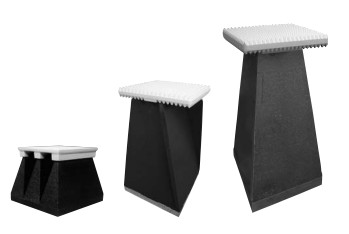
This lightweight composite absorber features an expanded polystyrene (EPS) substrate integrated with a combination of IB-series ferrite and IP-series resistive loss components. They demonstrate broadband absorption performance, making them suitable for RF anechoic chambers and EMC testing facilities. Additionally, the absorbers offer high weatherability, chemical resistance, and flame retardancy, allowing for stable long-term use.
Reference: TDK RF Solutions Official Website(https://www.tdkrfsolutions.tdk.com/products/absorbers/ip-absorber-series)
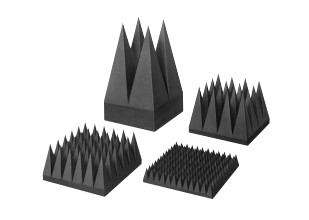
This series consists of lightweight RF foam absorbers utilizing the resistive loss of carbon with a polyurethane foam substrate. They demonstrate absorption performance from 0.8 GHz to 110 GHz, and even into the millimeter-wave and submillimeter-wave bands. As a result, these absorbers are ideal for RF anechoic chambers used in mobile communications, radar, and microwave/millimeter-wave testing.
Reference: TDK RF Solutions Official Website(https://www.tdkrfsolutions.tdk.com/products/absorbers/is-series-absorber)
This resource introduces recommended manufacturers that provide products tailored to various applications, such as next-generation R&D, high-density packaging, stealth technology, and RCS reduction. Please use this information as a reference for selecting the microwave absorber that best suits your company’s needs.
TDK RF Solutions absorbers should be selected based on the target frequency range, chamber type, and whether the main requirement is low-frequency EMC control, broadband chamber performance, or microwave/mmWave testing.
| Product | Frequency Bandwidth | Absorption Performance | Size | Material | Use Cases |
|---|---|---|---|---|---|
| IB Ferrite Tile | Approximately 30MHz to 1GHz | Approximately 10dB to 20dB | 10cm × 10cm × approximately 0.55cm | Sintered ferrite | Low-frequency ferrite wall lining |
| IP Series | Approximately 30MHz to 40GHz | Approximately 15dB to 25dB | 93cm × 51.5cm × 51.5cm | Base:Expanded polystyrene(EPS) | Low-frequency EMC anechoic chambers |
| IS Series | Approximately 0.8 GHz to 110 GHz | Approximately 15dB to 55dB | 60cm × 60cm | Polyurethane foam | Microwave and mmWave chambers |
The IB Ferrite Tile Series is suitable for low-frequency EMC applications, especially around 30 MHz to 1 GHz. Its thin sintered ferrite structure is useful for chamber wall lining where durable, long-term absorption performance is required.
The IP Absorber Series is recommended for broadband EMC chambers that need absorption from low to high frequencies. Its composite structure combines ferrite magnetic loss and resistive loss materials, making it suitable for RF anechoic chambers and EMC testing facilities.
The IS Absorber Series is suitable for microwave and mmWave testing from approximately 0.8 GHz to 110 GHz. Its lightweight foam structure is useful for mobile communications, radar, and high-frequency measurement environments.
The RF absorber market is expanding rapidly, driven by the increasing need for EMI (Electromagnetic Interference) reduction in 5G/6G, autonomous driving, and defense applications.
This site provides comparative information on products and manufacturers by application to help you identify the ideal solutions for R&D, anechoic chambers, and high-frequency testing.
The company provides detailed product data sheets and specifications, with technical information readily accessible on their website. Furthermore, the company provides turnkey solutions including RF anechoic chamber design and construction, and customization is available to meet customer applications and standards.
Before contacting TDK RF Solutions or a supplier, prepare the key technical conditions below to help identify the most suitable RF absorber.
| Company Name | TDK RF Solutions Inc. |
|---|---|
| Headquarters Address | 1101 Cypress Creek Rd.Cedar Park, Texas 78613 USA |
| Official Website | https://www.tdkrfsolutions.tdk.com/ |
Advertiser Disclosure:
We receive compensation from some of the companies listed below.This compensation may affect which companies are included and the order in which they appear.
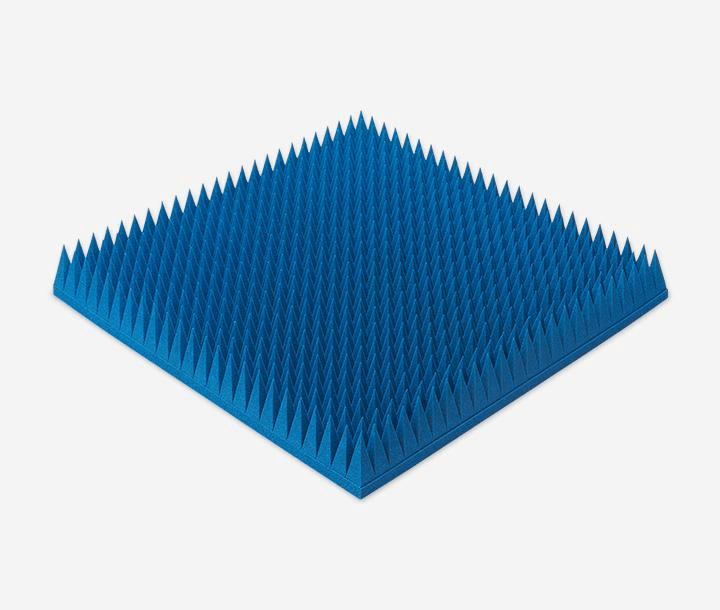
| Frequency Range |
|---|
| 3GHz-320GHz |
| Material |
| Urethane Foam |
| Key Features |
| Up to 50 dB of absorption |
At just 550g per panel—approximately half the weight of competing products (*1)—this polyurethane foam absorber covers a wide frequency range from 3 to 320 GHz.
Delivers 50 dB absorption, outperforming conventional heavy ferrites.
Velcro-backed for rapid mounting, ideal for temporary setups and cost-effective maintenance.
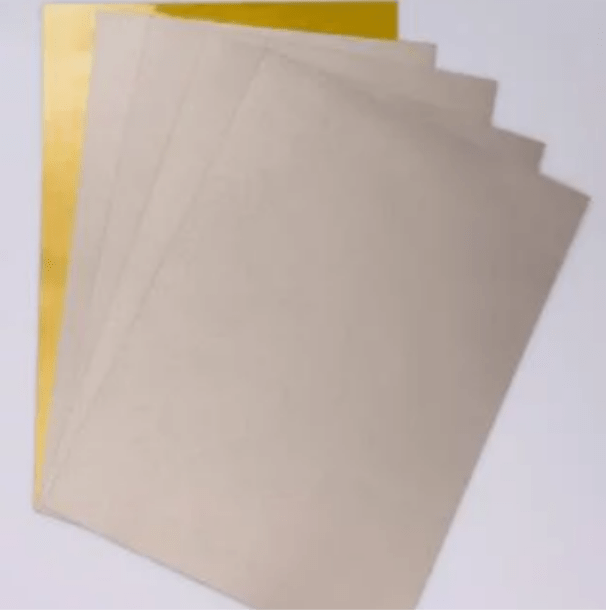
| Frequency Range |
|---|
| 20MHz-3GHz |
| Material |
| Elastomer |
| Key Features |
| Permeability (at 1 MHz): 150 |
Heat-resistant elastomer: Designed for direct SMT processing and high-temperature durability.
Ultra-thin (from 0.1 mm) for high-density integration with robust EMI suppression.
It significantly reduces assembly workload and enables EMI countermeasures without altering the existing manufacturing process.
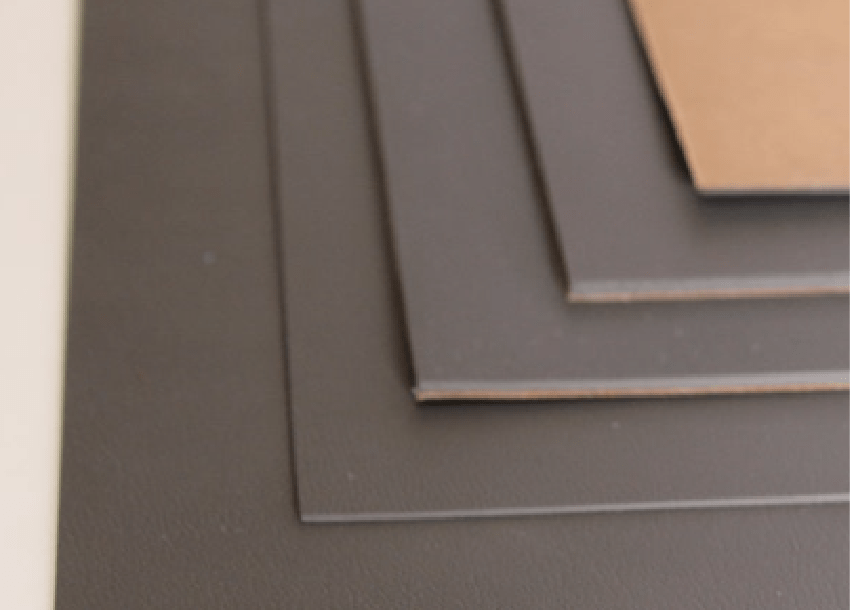
| Frequency Range |
|---|
| 1-35 GHz |
| Material |
| Elastomer |
| Key Features |
| Reflection Performance: –20 dB |
Frequency-tuned for specific radar absorption, offering superior stealth performance over standard RF sheets (*2).
Millimeter-thin design delivers –20 dB reflection, ensuring high absorption while preserving aerodynamic integrity.
Excellent conformance to complex geometries with thermal stability from –60°C to 150°C—ideal for aerospace platforms.