

Würth Elektronik eiSos offers WE-FAS flexible absorber sheets for EMI noise suppression, near-field interference control, SAR reduction, RFID applications, and compact electronic device layouts.
The series is designed for thin, flexible, adhesive-backed absorber applications close to noise sources such as PCBs, ICs, processors, controllers, cables, and housings. This makes the product range easier to compare within device-level absorber materials, rather than large anechoic chamber absorbers or high-power test-room materials.
When comparing microwave absorber options, the first distinction is the installation environment. WE-FAS is mainly associated with localized electronic noise control, while chamber lining, RCS testing, mmWave test spaces, and large-area RF environments often require different absorber formats and supplier capabilities.
WE-FAS is Würth Elektronik eiSos’ flexible absorber sheet series for EMC shielding, magnetic shielding, and localized noise suppression inside electronic devices.
The lineup includes adhesive-backed absorber sheets with flexible handling and customizable dimensions or forms. Würth Elektronik eiSos lists the WE-FAS range for frequencies from 1 MHz to 10 GHz, with thickness options from 0.05 mm to 30 mm depending on the absorber type.
Specifications differ by order code; the datasheet provides a clear basis for checking dimensions, material characteristics, and operating conditions.
Würth Elektronik eiSos lists WE-FAS applications such as EMC noise suppression, SAR reduction, RFID applications, ESD prevention, cavity resonance reduction, and suppression of unwanted magnetic coupling.
The sheets are also described for use around compact electronic structures, including gaps between PCBs, ICs, processors, controllers, cables, housings, mobile devices, and display-related assemblies.
These applications place WE-FAS in the category of sheet-based absorbers for localized electronic noise issues, separate from absorber materials used mainly for large test chambers or room-scale RF environments.
The following example shows the listed specifications for Würth Elektronik eiSos WE-FAS order code 34415001. Values may differ by part number, so the exact datasheet is needed when comparing absorber sheets for a specific design.
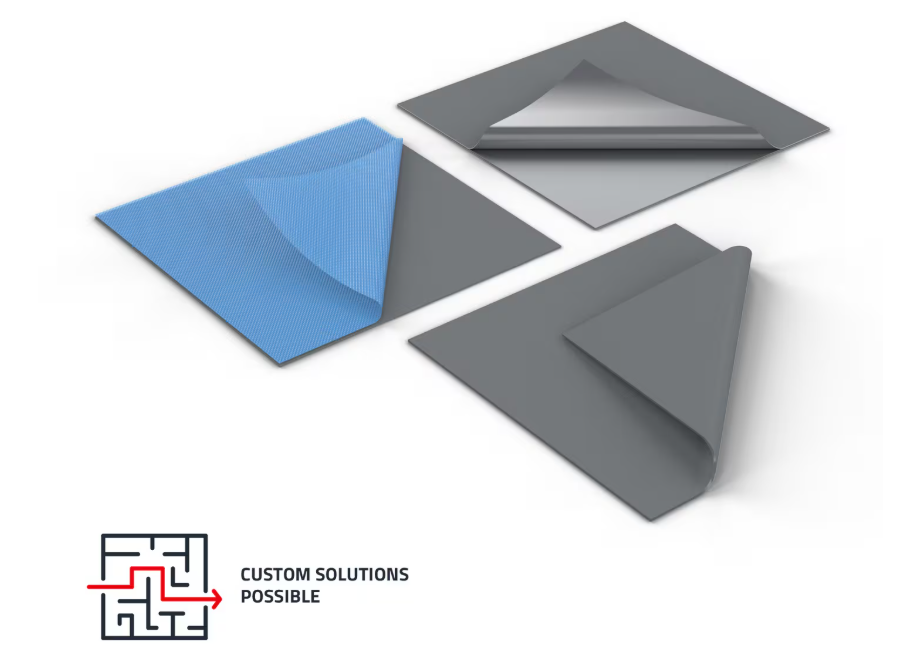
This example shows the type of part-level information used in absorber sheet comparison, including dimensions, material structure, electrical properties, adhesive details, and operating conditions.
WE-FAS absorber sheets are selected at the part-number level, so comparison starts with the datasheet and the actual installation environment.
Confirm that the absorber type matches the noise frequency or RF band involved in the design.
Check whether the sheet dimensions and thickness fit the PCB area, housing, gap, or other available space.
Review permeability, surface resistance, and other values listed for the specific order code.
Confirm whether the adhesive structure suits the surface material, assembly process, and expected use environment.
Compare the operating temperature range with the device environment, and check cautions for cutting, bending, pulling, particle release, or cracking.
Review any limitations for safety-critical, high-reliability, automotive, aerospace, medical, or other restricted applications.
These checks help narrow the comparison before moving to samples, quotes, or technical confirmation.
Würth Elektronik eiSos WE-FAS falls within the sheet-type absorber category used around electronic components, PCBs, cables, housings, and compact device assemblies. Its comparison points include flexible installation, adhesive mounting, localized EMI control, and part-level electrical properties.
Other microwave absorber options may focus on different environments, such as anechoic chambers, antenna measurement spaces, high-power test rooms, RCS testing, or large-area RF treatment. In those cases, the comparison points often shift toward absorber geometry, reflectivity performance, fire rating, power handling, installation scale, and room-design support.
A compact electronics project and a chamber construction project may both involve microwave absorbers, but the required material format, datasheet values, and supplier support can be very different.
| Company Name | Würth Elektronik eiSos GmbH & Co. KG |
|---|---|
| Business unit | EMC & Inductive Solutions |
| Address | Max-Eyth-Str. 1, 74638 Waldenburg, Germany |
| Official Website | www.we-online.com |
| Contact | Email: eiSos@we-online.com |
The RF absorber market is expanding rapidly, driven by the increasing need for EMI (Electromagnetic Interference) reduction in 5G/6G, autonomous driving, and defense applications.
This site provides comparative information on products and manufacturers by application to help you identify the ideal solutions for R&D, anechoic chambers, and high-frequency testing.
Advertiser Disclosure:
We receive compensation from some of the companies listed below.This compensation may affect which companies are included and the order in which they appear.
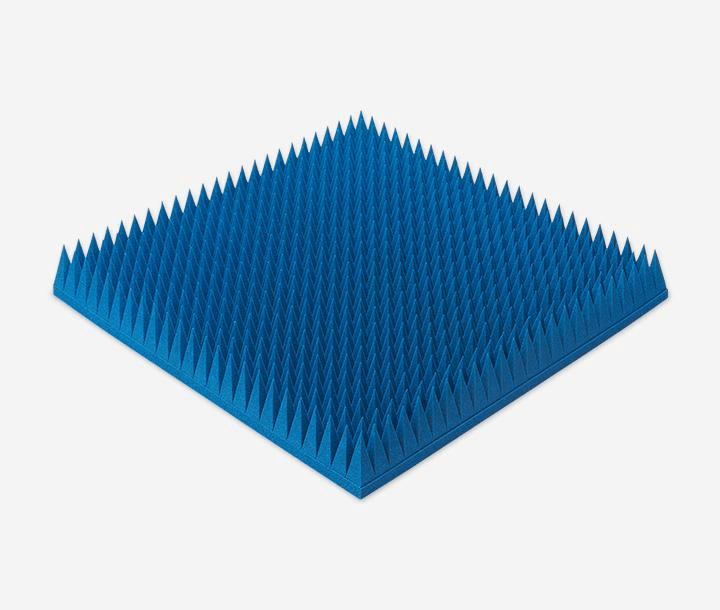
| Frequency Range |
|---|
| 3GHz-320GHz |
| Material |
| Urethane Foam |
| Key Features |
| Up to 50 dB of absorption |
At just 550g per panel—approximately half the weight of competing products (*1)—this polyurethane foam absorber covers a wide frequency range from 3 to 320 GHz.
Delivers 50 dB absorption, outperforming conventional heavy ferrites.
Velcro-backed for rapid mounting, ideal for temporary setups and cost-effective maintenance.
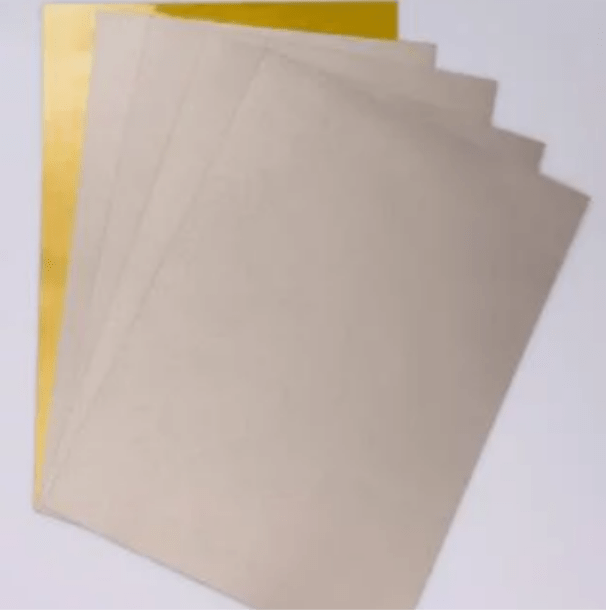
| Frequency Range |
|---|
| 20MHz-3GHz |
| Material |
| Elastomer |
| Key Features |
| Permeability (at 1 MHz): 150 |
Heat-resistant elastomer: Designed for direct SMT processing and high-temperature durability.
Ultra-thin (from 0.1 mm) for high-density integration with robust EMI suppression.
It significantly reduces assembly workload and enables EMI countermeasures without altering the existing manufacturing process.
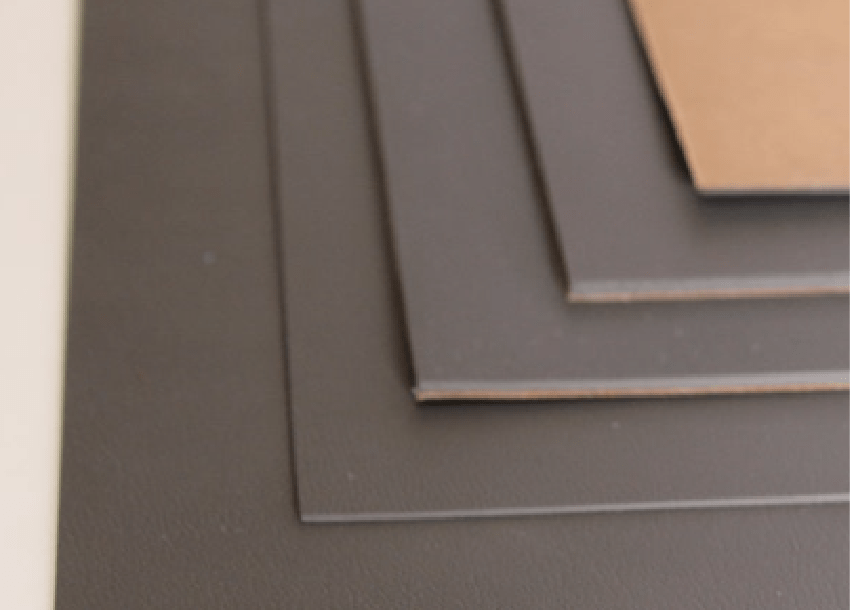
| Frequency Range |
|---|
| 1-35 GHz |
| Material |
| Elastomer |
| Key Features |
| Reflection Performance: –20 dB |
Frequency-tuned for specific radar absorption, offering superior stealth performance over standard RF sheets (*2).
Millimeter-thin design delivers –20 dB reflection, ensuring high absorption while preserving aerodynamic integrity.
Excellent conformance to complex geometries with thermal stability from –60°C to 150°C—ideal for aerospace platforms.